01 / AUTOMATION

Workflow automation
Requests in. Clear next actions out.
- Rules
- Human review

Connect AI to the way your team already works—without replacing the tools you rely on.
Automation, assistants, integrations, and internal tools—built around your operation.
Requests in. Clear next actions out.

Find the right answer, then review it.
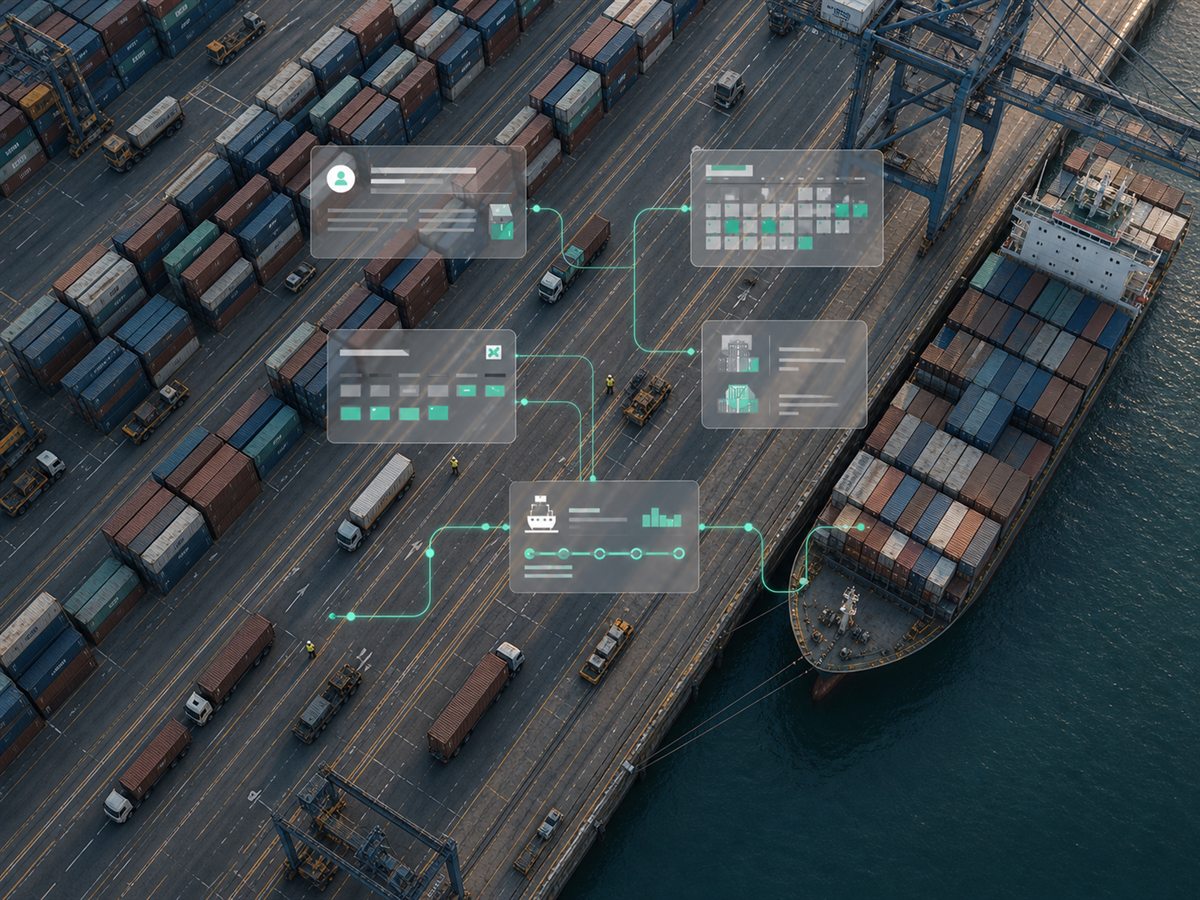
Keep the tools you use. Connect the work between them.

Make ownership and next actions visible.
Illustrative pattern. Adapt the shape to the bottleneck inside your operation.
Context is gathered, exceptions are checked, and the right person gets the next move.
Discover. Build. Improve.
Map the work and find the highest-value opportunity.
Define the problem.Connect the systems, test the edges, and prepare the team.
Deploy responsibly.Support the workflow and prioritize the next improvement.
Keep it useful.Access, data handling, human control, and handover are part of the design.
Our security approachEach workflow gets only the access it needs.
Retention and processing are documented before launch.
Exceptions and high-impact actions stay reviewable.
Start with the questions that matter when AI touches real operations, existing systems, and accountable people.
Read the security approachUsually not. Kairact connects the systems your team already relies on and adds a focused workflow layer where work gets stuck.
Before production access, we document approved data sources, access scope, retention, providers, and the human review points for the workflow.
Ownership, licensing, source access, and handover are defined in the written project agreement. The intended outcome is software your team can operate and understand.
Active clients can use the invite-only portal for bugs, feature requests, comments, files, and status updates. Ongoing support follows the agreed support plan.
The model is selected around the workflow, data sensitivity, quality requirements, cost, and operational controls rather than chosen in advance.
Scope and cost depend on the workflow, systems, data, and support needs. The first conversation defines a practical next step before a proposal.
Active clients get one place to report bugs, request improvements, share context, and see what is happening next.
Go to the client portalResponse targets and emergency coverage follow the support agreement for your project.
Not ready to choose a time? Send the workflow context here and we will suggest a practical next step or help you book a working session.